Why Hiring a Trustworthy Residential Electrician Is Essential for Your Safety
Selecting a reliable home electrician is vital for maintaining household safety. Electrical tasks necessitates precision and adherence to safety standards. Improper wiring installations can cause severe hazards, including fires and electrical shocks. A qualified electrician not only provides expertise but also necessary credentials and coverage. Recognizing the dangers of DIY approaches and the benefits of professional assistance can greatly impact residential safety. What factors should homeowners evaluate when finding the most suitable specialist for their electrical concerns?
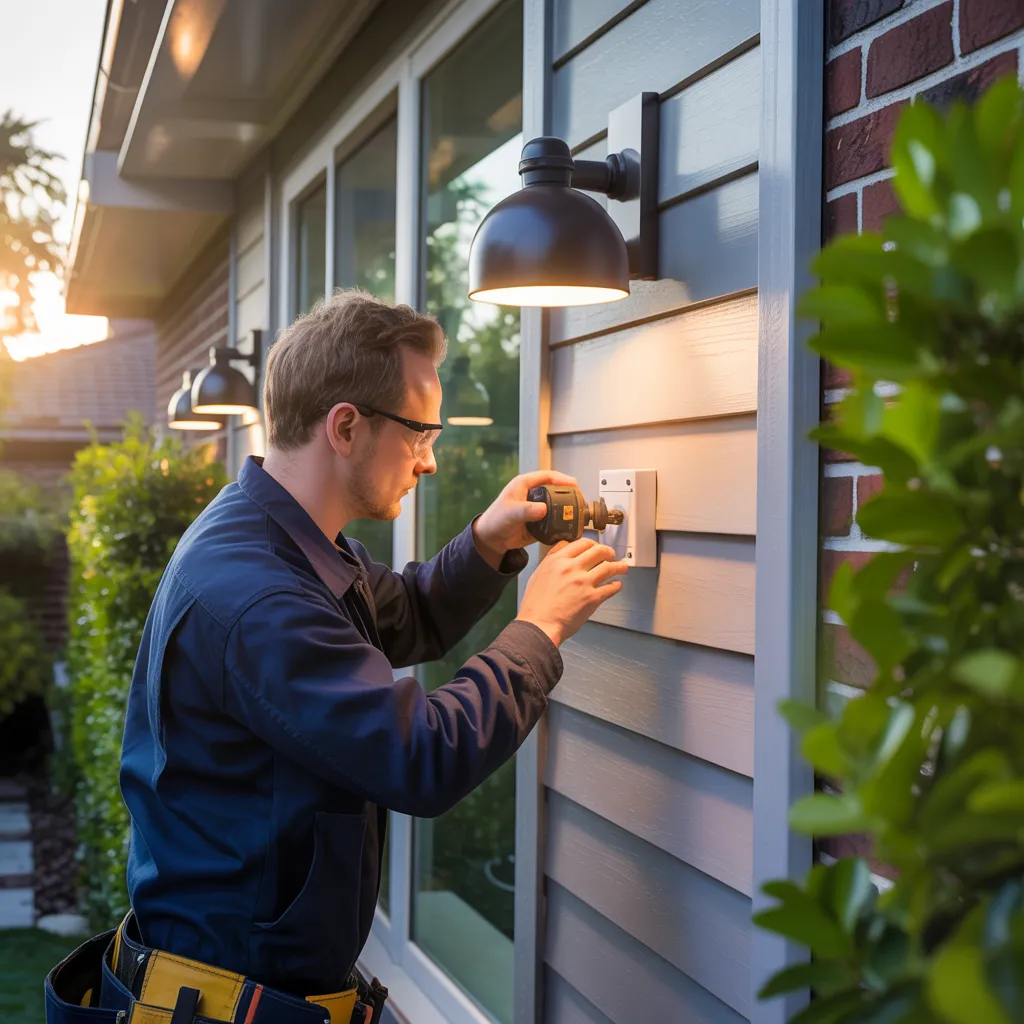
The Dangers of DIY Electrical Work
Attempting electrical work on your own can lead to significant dangers that often outweigh the potential savings. Most homeowners underestimate the complexities of home electrical systems, which can result in dangerous situations. Faulty wiring, for instance, can lead to electrical fires, putting at risk lives and property. Furthermore, inadequate installation of electrical fixtures or outlets may introduce hazards that are not obvious at first, posing long-term safety risks.
Electrical codes and regulations exist for a reason, providing a framework for safety and compliance. Non-compliance with these regulations can cause legal troubles and difficulties during property inspections. Moreover, DIY efforts can lead to costly repairs if issues arise, canceling out any money saved at the outset. In the absence of proper training and hands-on experience, individuals may overlook critical details, rendering the circumstances more dangerous. At the end of the day, engaging a trusted residential electrician is key to ensuring safety and regulatory compliance, delivering confidence that only skilled professionals can provide.
Typical Electrical Problems That Need Professional Assistance
Many homeowners may encounter frequent electrical concerns that necessitate the expertise of a qualified electrician. Flickering lights, commonly suggesting faulty wiring or loose connections, can create dangerous safety concerns. In addition, repeated circuit breaker trips may suggest an overload or short circuit, both of which require immediate attention. Yet another frequent concern includes dead outlets, which can arise from multiple causes, including defective devices or wiring faults. Residents may also detect crackling or buzzing noises from electrical outlets and switches, suggesting electrical arcing or damaged components. Furthermore, an sudden surge in electricity bills might suggest hidden electrical problems. To conclude, the detection of a burning odor near electrical installations should not be overlooked, as it can signal dangerous conditions. Resolving these problems quickly with the assistance of a certified electrician guarantees not only the safety of the home but also the longevity of its electrical systems.
How to Choose a Qualified Electrician
When selecting a qualified electrician, it is essential to confirm their qualifications and certifications to confirm compliance with regional standards. Moreover, reviewing their expertise and background can provide insight into their capability to handle specific electrical tasks. This careful evaluation helps homeowners arrive at knowledgeable choices and maintain safe practices.
Check Credentials And Licenses
To ensure the safety and quality of electrical work, checking the credentials and licenses of a prospective electrician is vital. This measure confirms that the electrician has completed the necessary training and education to perform electrical tasks efficiently and safely. A certified electrician has completed specific examinations and adheres to local and national electrical codes, which safeguards homeowners against potential risks. It is wise to request copies of licenses and confirm their authenticity through local licensing authorities. Moreover, checking any professional affiliations or credentials can additionally demonstrate expertise. By implementing these measures, homeowners can greatly reduce the risk of employing unqualified professionals, consequently boosting both safety and overall satisfaction with the electrical work performed.
Evaluate Experience And Expertise
Determining the experience and expertise of an electrician is crucial for ensuring quality workmanship. A skilled electrician should possess a well-established background in home electrical systems, ideally with several years of real-world experience. This background can be measured through client testimonials, web-based feedback, or trade references. Moreover, professional certifications or qualifications, such as those in automated systems or sustainable energy solutions, can reflect a more advanced level of proficiency. It is also helpful to ask about past work similar to the resident's specifications, as this can offer a glimpse of the electrician's problem-solving abilities and adaptability. In the end, hiring an electrician with a proven track record improves the likelihood of obtaining reliable and professional electrical services.
Why Licensing and Insurance Are Important When Selecting an Electrician
Choosing a household electrician demands thorough evaluation of a number of factors, with licensing and insurance being essential. A credentialed electrician showcases a level of professionalism and adherence to industry standards, guaranteeing they have the necessary training and knowledge to execute electrical services with safety and efficiency. Licensure additionally acts as a protective measure for homeowners, as it commonly necessitates passing examinations and ongoing education.
Insurance is just as critical, safeguarding both the electrician and the property owner. When accidents or damages arise during a project, insurance can cover repair costs and liability claims, lessening the financial burden on homeowners. Without proper insurance, homeowners might bear responsibility for injuries or property damage. Therefore, confirming an electrician's licensing and insurance is essential for guaranteeing a safe and dependable electrical installation, ultimately supporting the overall safety and reliability of the home's electrical system.
Key Maintenance Tips for a Secure Home Electrical System
Consistent upkeep is vital for securing a reliable home electrical system. Residents should regularly examine outlets and switches for any signs of wear or damage, such as color changes or excessive heat. It is also recommended to inspect circuit breakers to ensure they are operating properly and to restore any tripped breakers without delay. Ensuring electrical panels remain unobstructed and clean can improve safety and ease of access in emergency situations.
In addition, homeowners ought to avoid overloading circuits by evenly distributing electrical loads among outlets. Utilizing surge protectors can help safeguard appliances from sudden voltage fluctuations. Regularly testing smoke and carbon monoxide detectors is critical, as they are integral to home safety. Lastly, consulting a licensed electrician for yearly inspections can detect potential problems early and guarantee the electrical system operates efficiently, upholding a safe living environment for all members of the household.
Evaluating Customer Reviews: What to Look For?
When searching for a reliable residential electrician, customer reviews serve as a valuable resource for reaching well-informed conclusions. Potential clients should focus on specific aspects within these reviews to practical resource assess the electrician's expertise and trustworthiness. Initially, pay attention to comments on the quality of work completed; regular acknowledgment of cleanliness and diligence signals excellence. Next, examine the electrician's interpersonal skills; reviews highlighting timely responses and clear explanations indicate professionalism.
Furthermore, consider feedback on promptness and commitment to project timelines, as this reveals the electrician's regard for clients' time. Lastly, be mindful of how issues are addressed; a attentive electrician displays a focus on customer satisfaction. By examining these essential criteria in customer reviews, homeowners can more easily recognize electricians who focus on quality and safety in their work.
Frequently Asked Questions
What Qualifications Should I Consider When Choosing an Electrician?
When selecting an electrician, you should consider qualifications such as appropriate licensing, adequate insurance, relevant certifications, experience in residential work, strong client testimonials, and adherence to safety regulations. These elements ensure consistency and excellence in electrician services.
What Is the Best Way to Verify an Electrician's Credentials?
To validate an electrician's qualifications, you should look for appropriate licensing, coverage, and professional certifications. Furthermore, reading online feedback and obtaining recommendations from trustworthy contacts can offer valuable information about their reliability and expertise.
What to Expect During an Electrical Inspection?
When undergoing an electrical inspection, homeowners can anticipate a thorough evaluation of wiring, outlets, and panels. The electrician will evaluate for code compliance, safety hazards, and perform necessary tests to confirm the system functions properly and efficiently.
In What Ways Do Electrical Codes Affect My Home?
Electrical regulations establish safety standards that guarantee installations are safe and efficient. They guide wiring, grounding, and equipment guidelines, helping to prevent hazards like fires and electrical shocks, ultimately securing both property and residents.
What Are the Indicators of a Quality Electrician?
A reliable electrician exhibits punctuality, has relevant certifications, communicates effectively, provides detailed estimates, and exhibits strong problem-solving skills. Additionally, positive customer reviews and a solid warranty on work are key indicators of reliability and professionalism.